MATI Archives
Our Work
Grounded sensing — the thinking we do
and the practice we name.
Grounded sensing is what called us.
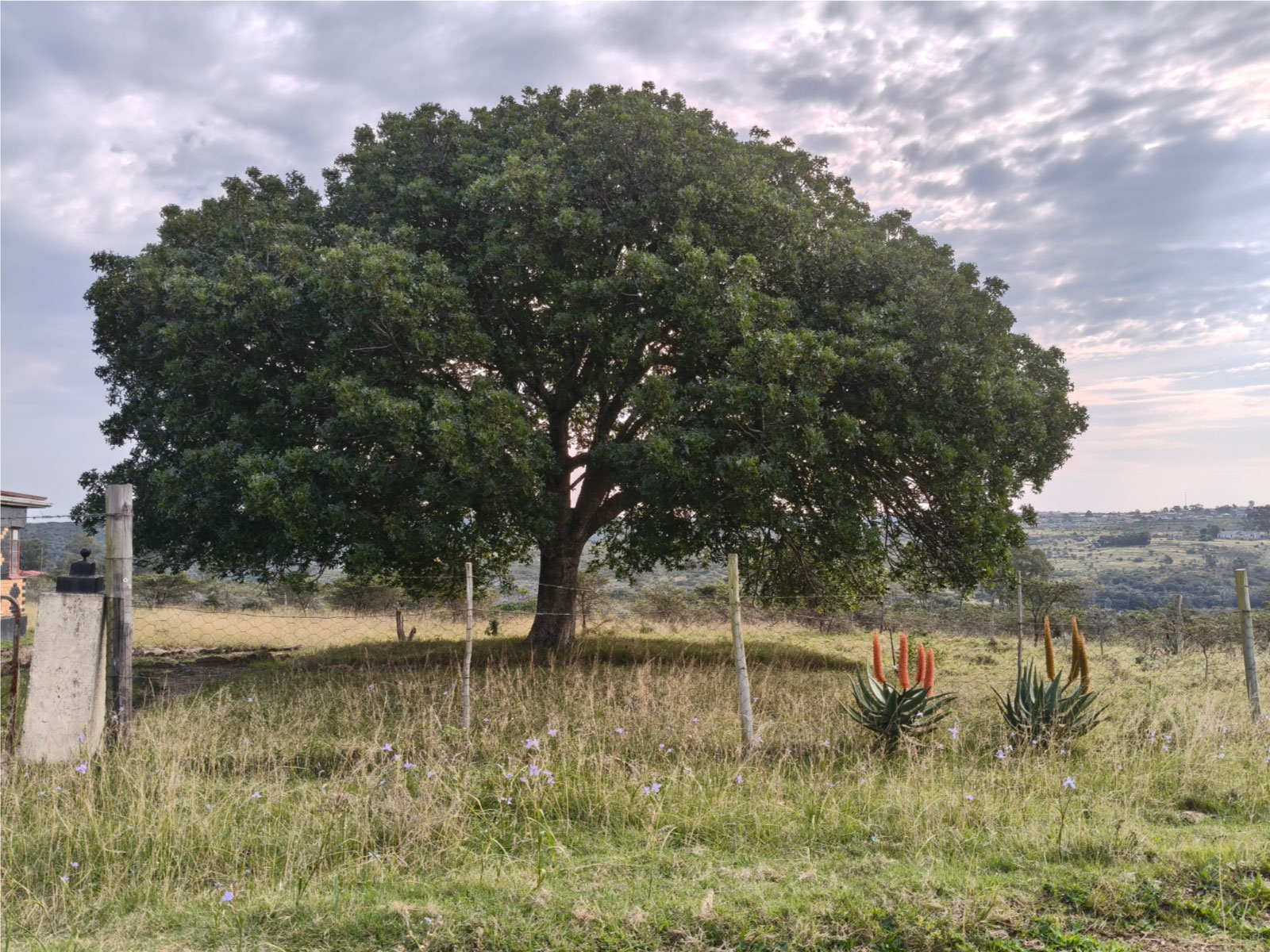
It existed in our own work, practice and the work of others. We chose to enact it consciously from this ground, in the Eastern Cape, and reaching across the Atlantic.
Grounded sensing is the thinking we do and the practice we name.
MATI Archives works within and from a living intellectual lineage — twenty-six thinkers, writers, artists and activists across the Black Atlantic whose work makes grounded sensing possible. Their connections — conscious and unconscious, documented and felt, living and ancestral — form the grounds from which MATI Archives produces knowledge.
The lineage is held in full in Nzululwazi Issue 0: Grounded Sensing, the first publication of MATI Press.
The MATI Ecosystem
MATI Archives is the parent institution for a growing ecosystem of programmes. Each one is an expression of grounded sensing — knowledge that comes from the ground where you are situated, carried forward in different forms.
MATI Research Collection
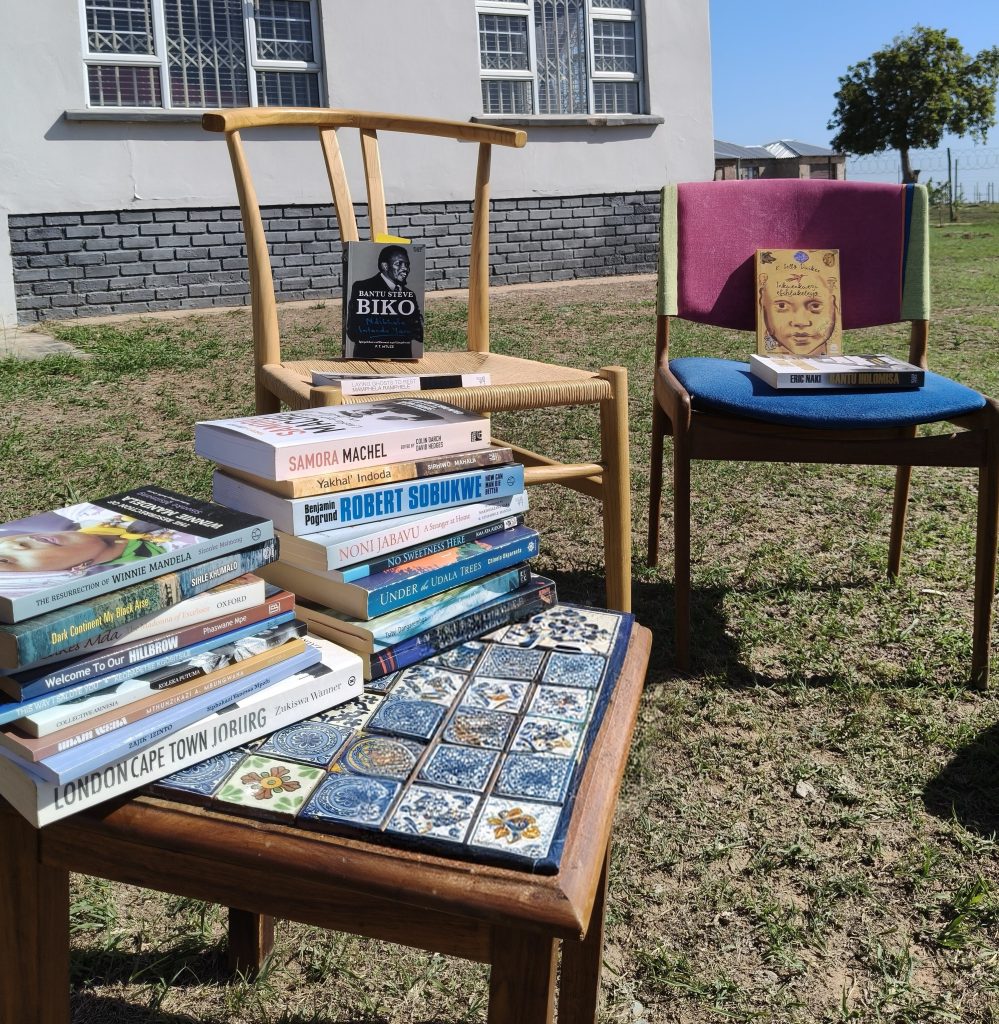
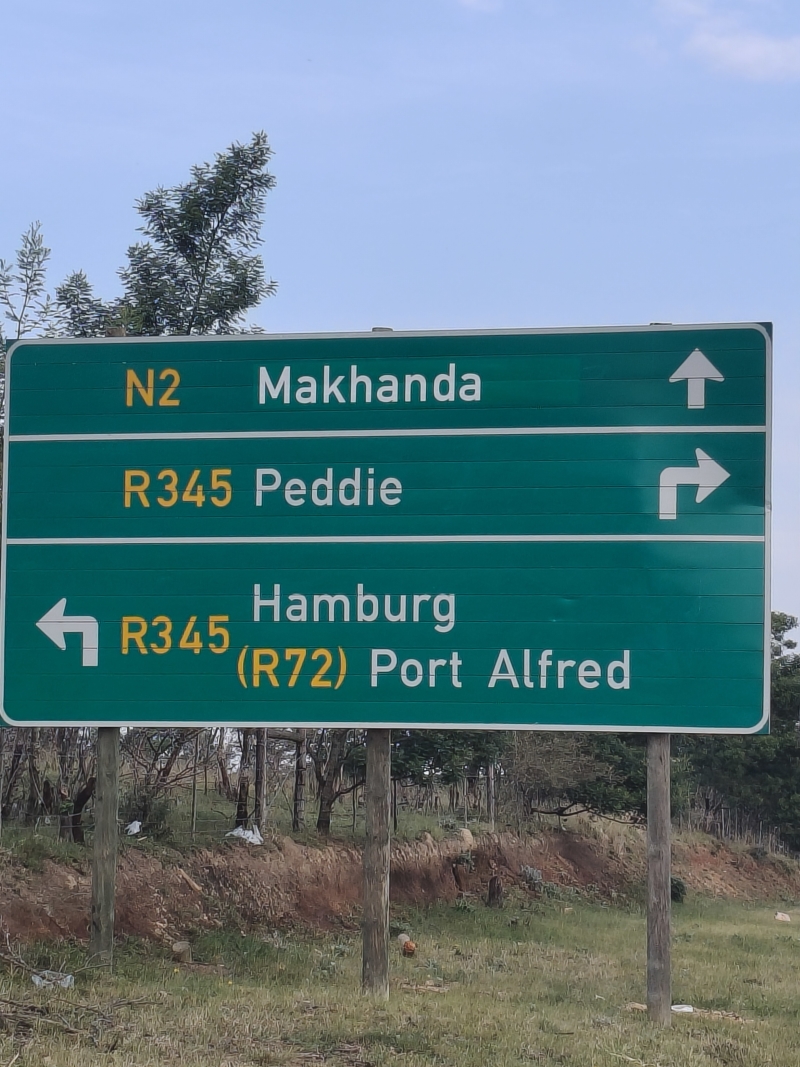
At the centre of the institution is a specialist research collection of nearly 1,000 titles, housed in Peddie in the Eastern Cape. The collection spans Black queer, feminist, decolonial, and pan-African scholarship, literature, performance, theatre, film, photography, and African politics. It includes titles not easily available in South Africa and works in Portuguese, reflecting MATI Archives’ transnational reach across the Black Atlantic. The collection is a curated research resource assembled over years of scholarly practice, and a political act. A specialist Black queer feminist library in Peddie, Eastern Cape, where such collections do not exist.
MATI Press / Nzululwazi
MATI Archives situates itself within a tradition of Black feminist and queer thought that spans continents and generations. The institution’s intellectual life draws on the work of Audre Lorde, whose writing on the erotic as power and on the uses of difference remains foundational; bell hooks, whose insistence on love as a political practice shapes MATI’s understanding of care and community; and African feminist scholars and writers whose work grounds the archive in the specificities of this continent — its languages, its landscapes, its forms of resistance and joy.
Uhuru Station
The podcast home of MATI Archives and the vessel for its transnational conversations. Hosted by zethu, Uhuru Station brings together scholars, artists, and thinkers whose work is in conversation with the intellectual commitments of MATI Archives. Season 1, in partnership with the AfriTides Project of Dr Gibson Ncube at Stellenbosch University, explores African epistemology at the intersection of queerness and ecology. Season 2 turns to queer vernacular concepts from different groundings: mati work, supi, kuchu, and others.
Muzi wa Uhuru
A writing and research residency based at zethu’s home in Peddie, Eastern Cape, for scholars, writers, and cultural practitioners whose work is in conversation with the intellectual commitments of MATI Archives. Residents have full access to the MATI Research Collection and are immersed in the particular quality of thinking that comes from being grounded in a specific place. The residency includes a three-day extension at Chintsa, a village by the sea, hosted by mamadi wa matlhako. Open as of October 2026.
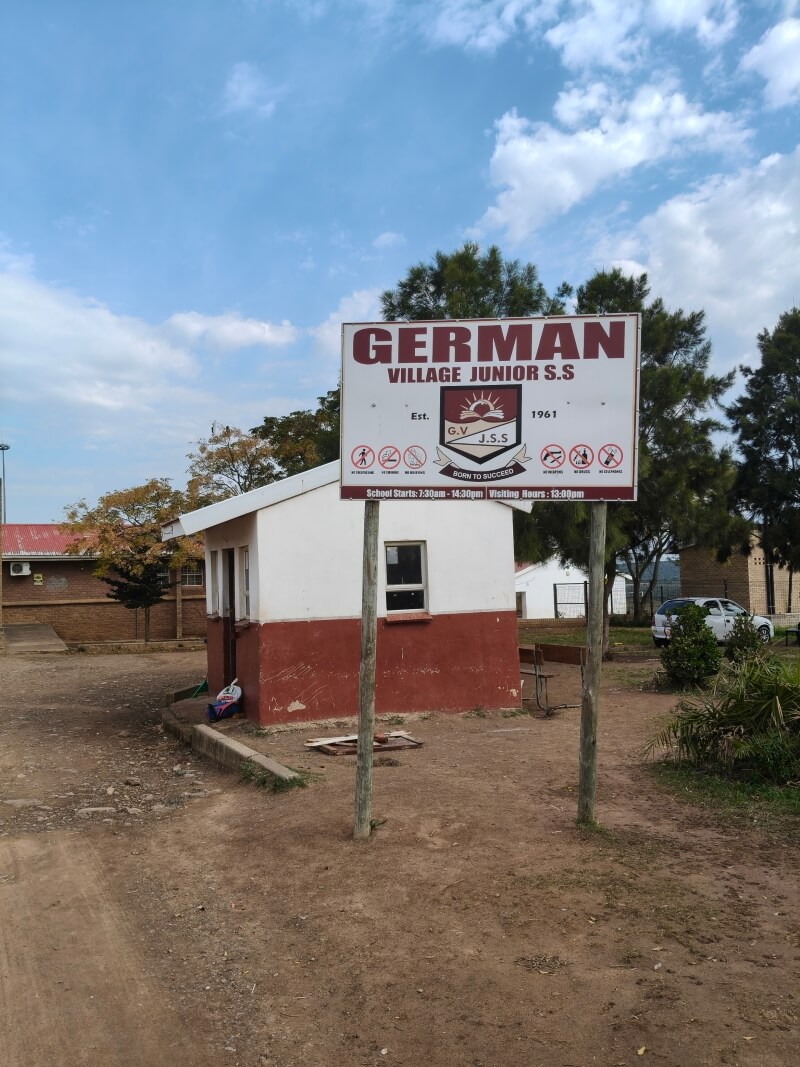
Ayaphi amaJamani? Where Did the Germans Go?
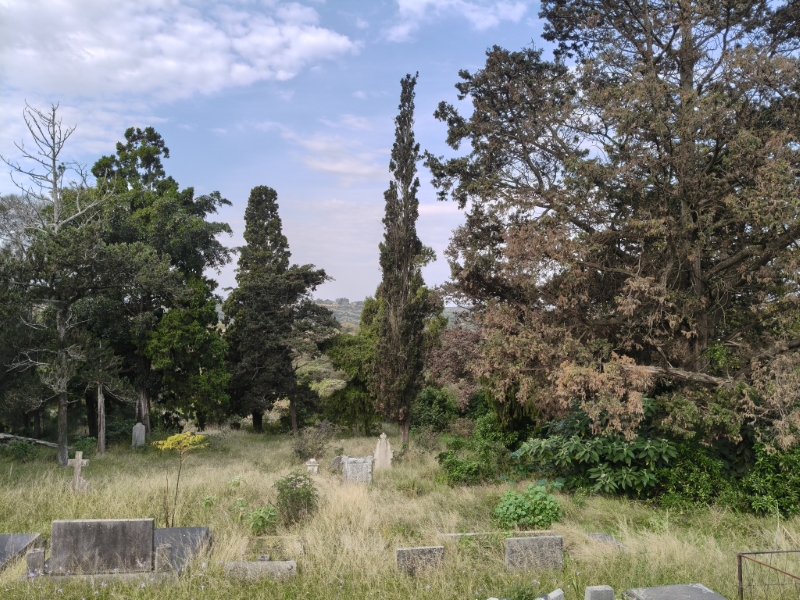
A community oral history project based in Peddie, working with young people from the village to research the German colonial footprint in the Eastern Cape. Through interviews, storytelling, written archive, video, and photographs of buildings and graves, the project asks what this ground holds and what it has been made to forget. The project begins July 2026.
Funda Nathi
A community reading circle in Peddie — Funda Nathi means Read With Us in isiXhosa. A curated selection from the MATI Research Collection is brought into the village, creating a space for shared reading where libraries are scarce. Funda Nathi is grounded sensing in its most communal form.