
About MATI Archives
An independent institution.
Black feminist and queer knowledge production,
rooted in the Eastern Cape.
A generative archive — not a repository, but a living practice.
Formalised in 2026, MATI Archives has been in existence since August 2018 as a generative archive — not a repository that stores other people’s collections, but a living practice that produces knowledge through research, publishing, community work, and creative making. It is an independent institution of Black feminist and queer knowledge production, rooted in Peddie in the Eastern Cape, South Africa.
At the heart of MATI Archives is a method: grounded sensing. Knowledge that comes from the ground where you are situated. Everything MATI Archives does — the books it publishes, the conversations it convenes, the histories it recovers, the objects it makes — begins from that orientation. From this ground, reaching across the Black Atlantic.
MATI Archives works across South Africa, Brazil, Germany, and the diaspora — spaces connected by shared histories of colonialism, Black feminist resistance, and queer world-making.
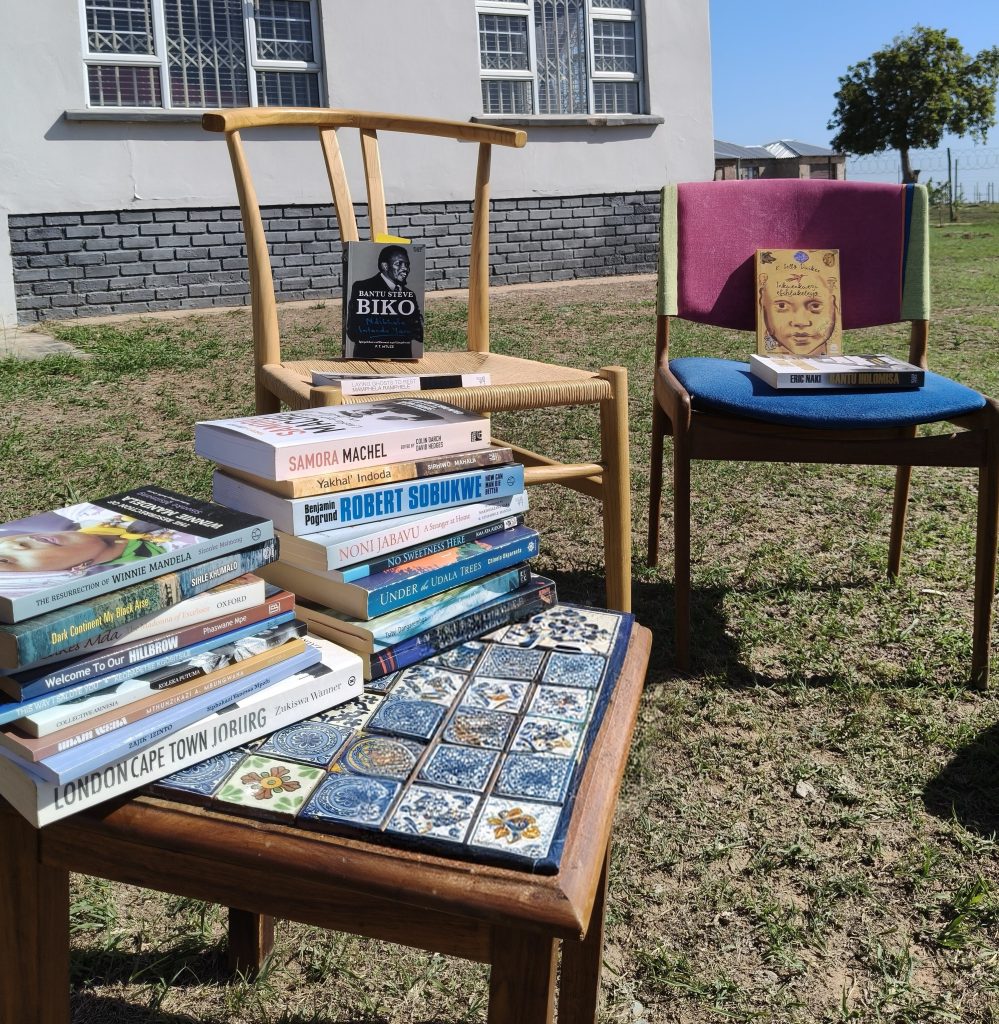
"What moves across water? What survives translation? What does liberation look like when it is grounded in specific soil?"
MATI Archives is built through relation. The following people form the core of the institution.
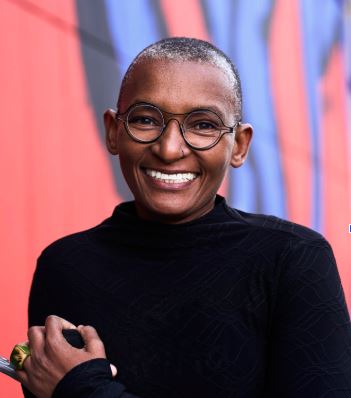
zethu Matebeni
MATI Archives Founder
zethu matebeni has spent twenty-five years building knowledge, inside the university and beyond it, through teaching and fellowships across South Africa, Europe, and the US, including as senior researcher at HUMA, University of Cape Town, as visiting professor at Nelson Mandela University, as Audre Lorde Guest Professor at the Berlin University Alliance, as Senior Fellow at the University Alliance Ruhr in Germany, and as the NRF-DSI SARChI Research Chair in Sexualities, Genders and Queer Studies at the University of Fort Hare. Alongside this, zethu has curated and convened the Queer in Africa symposia at the University of Cape Town for three years running, multi-day gatherings of art, performance, readings, and public discussion, including a queer city tour. Curator of Reclaiming Afrikan, zethu has published numerous essays in catalogues, journals and books, while continuing to mentor graduate students into their own ways of working. Since November 2024, zethu has been working independently, founding MATI Archives — an institution conceived in 2018 and now finding its full form. Grounded sensing, the method through which zethu works, thinks, and creates knowledge, is the same method that shaped twenty-five years of scholarship, activism, and curatorial work, now practised on its own terms. MATI Archives, founded in Peddie, Eastern Cape, is the institutional home for that practice — a research collection, a residency, and community-based work grounded in the place zethu calls home.
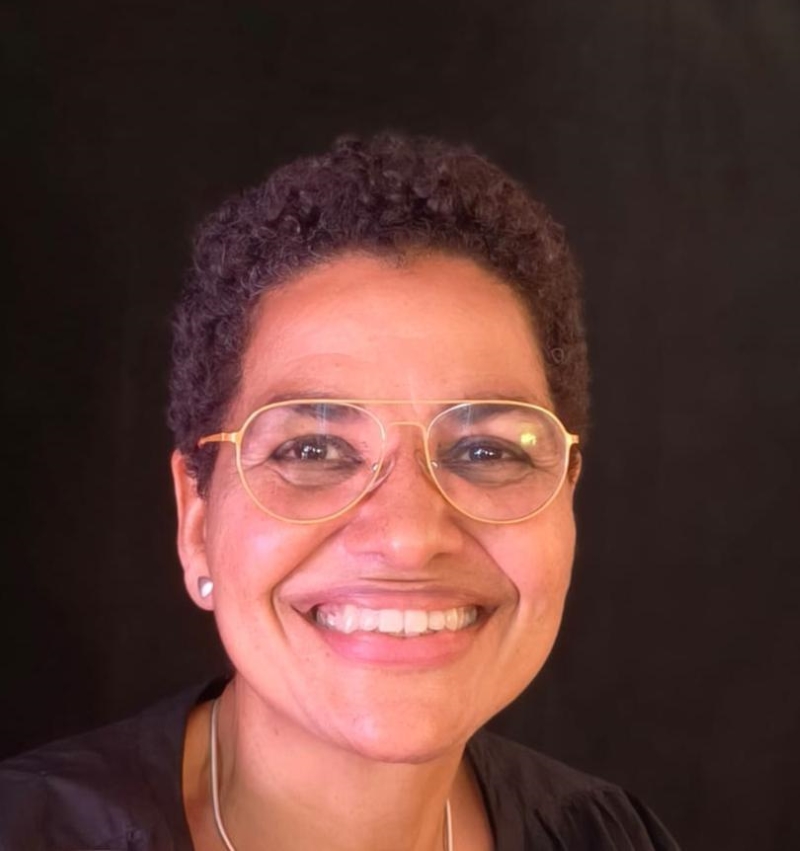
Ekpenyong Ani
MATI Press/Nzululwazi Series Editor
Ekpenyong Ani has loved books since childhood. She trained as a translator and spent thirteen years working as an editor with the German feminist publishing house Orlanda, before moving into freelance editing and translation. Her translated works include Sobonfu Somé’s The Spirit of Intimacy, Rebecca Chalker’s The Clitoral Truth, Aroha Harris’s Hīkoi: Forty Years of Māori Protest, and Leslie Feinberg’s Drag King Dreams, alongside poetry by May Ayim for the magazine METRONOME and exhibition texts for Zanele Muholi’s 2021 exhibition at Gropius Bau, Berlin. She served for eight years on the editorial team of Contemporary And (C&), a platform for international contemporary art and thought. Her editorial and translation work has been shaped by her engagement with the queer-feminist group ADEFRA — Black Women* in Germany. Based in Berlin, she now coordinates the day-to-day operations of an NGO while continuing to work as a freelance editor and translator, and serves as Series Editor for MATIPress/Nzululwazi.
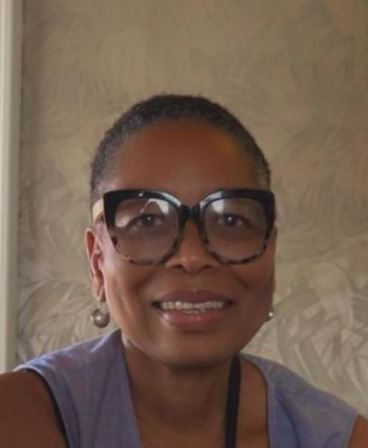
mamadi wa matlhako
Muzi wa Uhuru Residency Partner
mamadi wa matlhako is a sociologist, writer, and mentor whose work, over more than three decades, has explored how people pursue justice, dignity, and social transformation through the worlds they inhabit and the relationships they sustain. Her published work began with History Education in Post-Apartheid South Africa: African Identity and Regional Economic Integration, an examination of how historical narratives shape African identity and continental cooperation — an inquiry she has carried forward through teaching, mentorship, and international human rights education, and more recently into fiction. She is currently completing a novel in which a South African university becomes a study of the architecture of power, asking what it costs to speak truthfully within structures designed to outlast those who challenge them. After more than two decades based in the United States, she returned to South Africa with a comparative perspective that continues to shape her writing, mentorship, and public engagement, and now works independently from Chintsa in the Eastern Cape. mamadi’s contribution to Muzi wa Uhuru is grounded in that comparative practice, developed across South Africa, the United States, Nepal, Jordan, and Chile, and in a conviction that justice is understood in communities before it is formalised in scholarship or policy. Within the residency, she will work to create spaces where conversation, reflection, and storytelling carry knowledge forward, while remaining accountable to the lives from which it emerges.
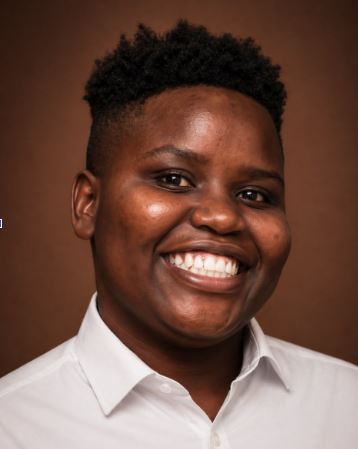
Princess Sibanda
Grounded Sensing Creative Director
Dr Princess A. Sibanda is a performance practitioner, researcher and community engagement specialist working at the intersections of participatory theatre, African queer studies and environmental justice. Her practice is rooted in the belief that performance can hold memory, provoke dialogue and imagine otherwise. Over the past decade, she has curated and facilitated participatory performance projects across Southern Africa, working alongside communities to explore questions of justice, belonging, embodiment and collective futures. She is the author of Southern African Queer and Trans Narratives in Digital Landscapes, and her research and creative practice centre embodied knowledge, African queer lives and decolonial ways of knowing. She is currently a Postdoctoral Fellow with the SARChI Chair in Waste and Society at the University of the Western Cape and a Humboldt Research Fellow at Ruhr University Bochum, Germany.
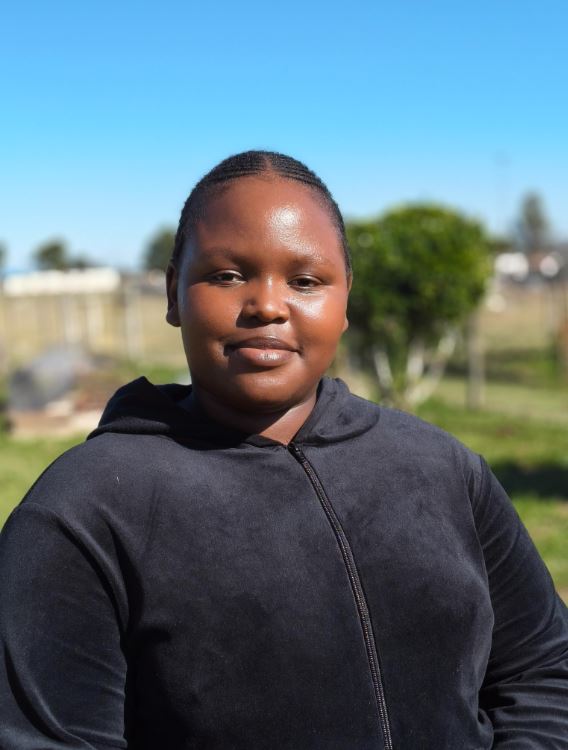
Sivuyisiwe Mafongosi
MATI Archives Intern
Sivuyisiwe Mafongosi is born and bred in Peddie, Eastern Cape. She has a Diploma and an Advanced Diploma in Animal Production at Fortcox Agricultural and Forestry Training Institute and a PGCE (Post Graduate Certificate in Education) from Walter Sisulu University. She has always been curious about the stories that shape communities. Her love for reading developed through reading novels at school. At school, it was her English teacher who bought novels to life in her story telling. Later, the passion grew as she became an educator through volunteering in her old high school, Nathaniel Pamla High School in Peddie, as well as her school-based experience at Hector Peterson High School. Sivuyisiwe has always been open to exploring new paths and discovering her creative side. Her interest in MATI Archives comes from her curiosity about history, knowledge and the importance of preserving stories for future generations.
Engagements
zethu is available for a limited number of engagements each year. Each one is shaped by the intellectual commitments of MATI Archives and the method of grounded sensing.
Keynote
A keynote address rooted in zethu’s research and practice. Designed for conferences, institutional gatherings, and public events that are prepared to be challenged and moved.
· South Africa: R25,000
· International: €2,500
· Travel and accommodation not included.
Grounded Sensing Masterclass
A three-hour engagement with a maximum of fifteen participants. zethu works with the room — reading the work present, opening questions, and practising grounded sensing together. Not a lecture. A collective working session.
· South Africa: R45,000
· International: enquire at molo@matiarchives.africa
· Travel and accommodation not included.
Mentorship
A structured programme for emerging MA and PhD scholars working in feminist, queer, and decolonial research. Over multiple sessions, participants read together, write together, and are held in sustained critical engagement with their own methodological assumptions and research practice. The programme moves scholars from uncertainty to a point where they can see what their frameworks allow and what they foreclose — and begin to work differently because of that seeing. Working with zethu and Dr Princess Sibanda. By application.
Enquiries: molo@matiarchives.africa
To be in relation about residencies, invitations, collaborations, or visits, write to molo@matiarchives.africa
MATI Archives is the parent institution for a growing ecosystem of programmes.
MATI Press / Nzululwazi Series
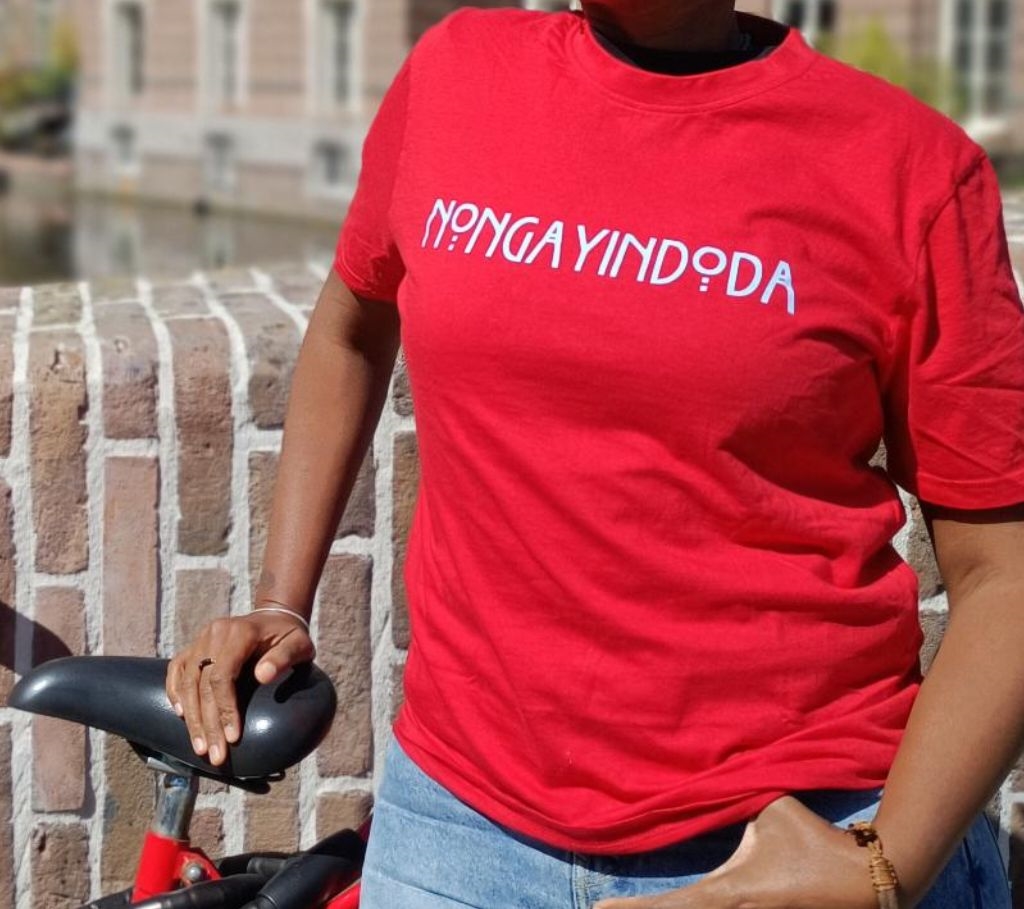
Issue 0, Grounded Sensing, and Issue 1, Nongayindoda, are available to order from August 2026.
Uhuru Station
Podcast Season 1, in partnership with AfriTides, exploring African cosmology and queer ecology.
Muzi wa Uhuru Residency
A writing residency in Peddie and Chintsa.
Ayaphi amaJamani?
A community research project on the German colonial footprint in Peddie.
Funda Nathi
A reading and writing circle for the Peddie community.
2026
Peddie, Eastern Cape
South Africa
Matebeni International
(Pty) Ltd
Nearly 1,000 titles